

In the realm of current architecture, the integration of day light is not just simply an aesthetic choice; it is a crucial aspect that shapes the functionality and eco-friendliness of buildings. Daylight analysis has emerged as a essential tool for architects, enabling them to utilize the potential of sunlight to enhance energy efficiency and promote occupant well-being. By understanding the patterns of natural light and its influence on interior spaces, architects can create environments that not only reduce the dependence on artificial lighting but also promote a healthier and a productive atmosphere.
As city environments become denser and the demand for green design grows, the significance of daylight analysis has never been as pronounced. This thorough guide explores the complex discipline of daylight analysis, examining its role in optimizing energy efficiency, achieving LEED certification, and informing critical design decisions such as window placement and building massing. From the nuances of daylight simulation tools to the fundamentals of climate-based daylight modeling, this article aims to clarify the best practices and considerations for architects seeking maximize the advantages of natural light in their designs.
Grasping Natural Light Analysis
Natural light evaluation refers to the study of natural light availability in buildings, which is essential for optimizing both energy efficiency and occupant comfort. This analysis considers various factors, including the building's orientation, geographic location, and surrounding landscape. By assessing daylight exposure, architects can design spaces that harness natural light effectively, minimizing reliance on artificial lighting and enhancing the overall aesthetics of the environment.
The importance of daylight analysis extends beyond mere illumination; it has a significant role in sustainable design practices. By integrating daylight analysis during the early stages of architectural projects, designers can make informed decisions regarding window placements, materials, and shading devices. This proactive approach results in improved energy performance, reduced operational costs, and increased occupant satisfaction, thereby aiding the project’s long-term sustainability goals.
Furthermore, the application of advanced daylight analysis tools and simulation methods allows architects to visualize how natural light interacts with their designs throughout the year. These simulations can reveal crucial insights into daylight factors, glare potential, and thermal performance, thus enabling architects to refine their designs. By comprehending the dynamics of daylight, professionals can create healthier, more efficient living and working environments that promote well-being and productivity.
Improving Energy Efficiency
Natural light analysis has a crucial role in improving energy efficiency in commercial buildings. By analyzing how natural light flows and works throughout a environment, architects can design buildings that lessen reliance on artificial lighting. This not only reduces energy consumption but also lowers operational costs over time. With Daylight Analysis Street Somerset like exploiting optimal window placements and implementing light shelves, buildings can capture sunlight for longer durations, maximizing of daylight hours and maintaining comfort.
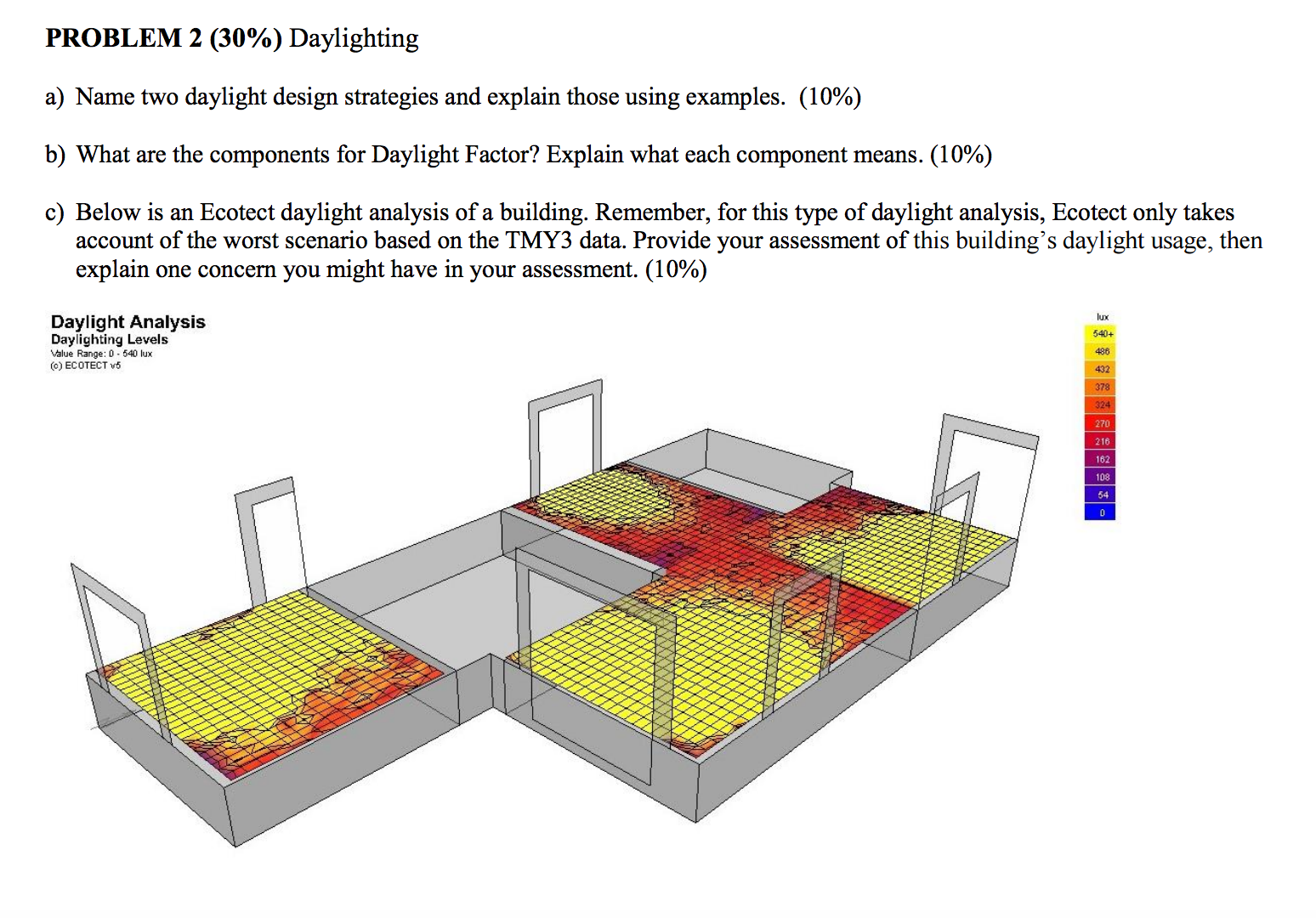
Furthermore, including daylight analysis in the initial stages can lead to considerable energy savings. By modeling https://notes.io/e4T7u , architects can anticipate and adapt for variations in daylight throughout the seasons. This planning allows for a smarter integration of sustainable design techniques, which not only contributes to lower energy bills but also aligns with sustainability goals. Applying daylight analytics certifies that buildings remain bright with natural light, fostering an environment that supports both well-being and fiscal efficiency.
In addition to lighting, daylight analysis assists to managing heating and cooling loads. By reviewing how sunlight warms environments, architects can make knowledgeable decisions about insulation, glazing choices, and shading devices. This holistic approach not only leads to improved comfort levels for occupants but also reduces the need for mechanical heating and cooling solutions. The result is a building that not only enjoys ample daylight but also functions efficiently, echoing the fundamental principles of sustainable architecture.
Daylight Analysis Tools and Methods
Selecting the right instruments for natural light analysis is vital for designers aiming to maximize natural light in their architecture. Digital solutions such as Radiance, ClimateStudio, and Illuminance provide different functionalities customized to various aspects of daylight modeling. DIALux excels in creating precise photorealistic renderings, making it suitable for thorough assessments of natural light penetration and glare. ClimateStudio offers user-friendly interfaces and supports climate-based natural light simulation, enabling users to assess the impact of site and weather patterns on natural light accessibility. Insight integrates seamlessly with widely-used drafting software, providing quick responses on natural light metrics during the conceptual phase.
Adopting effective techniques is equally important in the natural light analysis process. Methods such as shadow analysis, monitoring solar trajectories, and simulating various window options can significantly enhance a building's daylight efficacy. Understanding how elements like the layout of the building and adjacent structures affect light availability is essential. Methods like daylight factor evaluations and spatial daylight autonomy evaluations help designers quantify the quantity and caliber of illumination indoors, enabling informed design choices that enhance energy performance while promoting user well-being.
Integrating daylight assessment early in the design phase leverages these instruments and methods for maximum results. By utilizing simulations and evaluations in the initial stages, architects can implement proactive adjustments to reduce reliance on man-made lighting and enhance overall building performance. This approach not only conforms with sustainable design guidelines but also supports adherence with standards such as Green Building LEED and BREEAM certification, laying the foundation for better and increasingly effective environments.