

In the ever-evolving field of architecture, the way we engage with ambient light has become a vital aspect of the design process. Daylight analysis refers to the systematic evaluation of how ambient light permeates and interacts with spaces, and its impact on both energy efficiency and occupant well-being. For contemporary architects, understanding and mastering daylight analysis is more than a valuable skill; it is an indispensable tool that elevates the design process, eventually leading to healthier and more eco-friendly buildings.
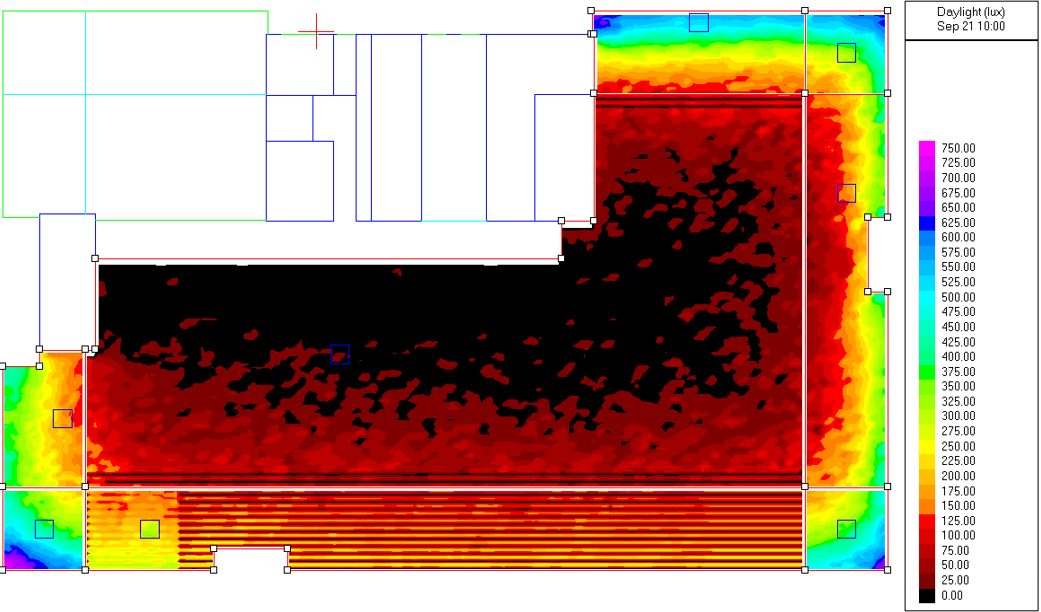
As we face escalating challenges related to energy consumption and environmental change, incorporating daylight analysis into architectural practice can significantly optimize energy efficiency in commercial buildings. From enhancing biophilic design principles to achieving LEED certification, the insights gained through efficient daylight modeling can transform spaces into lively environments that promote comfort and productivity. Daylight Analysis Yeovil Somerset examines the bright side of daylight analysis, offering a thorough guide for architects looking to utilize this essential aspect of design to create more engaging and sustainable spaces.
Understanding Daylight Analysis
Natural light assessment is a vital process in architecture that assesses how natural light works with interior spaces. It includes considering elements such as sun position, light distribution, and the impact of environmental elements on the access to natural light. By comprehending these interactions, architects can design solutions that enhance the benefits of daylight while reducing glare and excessive light. This study is not just about improving visual appeal; it functions a key role in supporting occupant comfort and health.
One of the key concepts in natural light study is the measurement of how efficiently daylight penetrates and illuminates indoor environments. Various indicators, such as the ratio of daylight, and spatial daylight autonomy, provide data into how much daylight a area receives throughout the day and annual cycle. These metrics are crucial for architects looking to create energy-efficient structures, as they facilitate well-informed choices regarding window placements, building orientation, and material choices that influence light penetration.
Integrating daylight analysis early in the design process allows architects to address potential issues and optimize energy performance. By modeling daylight scenarios, architects can assess different design options and their effects for user comfort and energy consumption. The ability to model and predict how natural light will behave in a design helps create more health-conscious, more appealing environments while also coinciding with sustainable design principles.
Daylight Analysis for Energy
Daylight analysis plays a key role in optimizing energy efficiency within office buildings. By evaluating natural light availability and distribution, architects can create environments that utilize sunlight efficiently, reducing dependence on artificial lighting. This not only cuts energy consumption but also cuts costs connected to electricity use. Implementing daylight analysis early in the planning process secures that buildings can maximize daylight exposure, leading to considerable energy savings throughout their lifespan.
Using daylight solutions such as properly oriented windows, light shelves, and reflective surfaces can additionally enhance energy. Daylight modeling allows architects to assess how different design elements impact the internal environment. By simulating various daylight scenarios, architects can identify the best configurations that provide adequate lighting while maintaining comfortable temperatures, thus achieving a balance between energy efficiency and user well-being.
Additionally, the incorporation of daylight assessment in the planning phase can help to meeting environmental certifications like LEED and BREEAM. These standards highlight the importance of natural light in reducing energy consumption and improving indoor environmental quality. By focusing on daylighting solutions, architects not only comply with these standards but also create spaces that promote wellness, productivity, and overall energy, positioning buildings advantageously in the market.
Instruments and Methods for Daylight Simulation
When it comes to daylight simulation, a variety of resources are available to architectural professionals and designers that enhance the evaluation process. Software such as Radiance, provides powerful capabilities for illustrating illumination spread and evaluating daylight efficacy. Radiance, known for its precision, uses sophisticated light tracing methods to model light engagements with materials, making it ideal for thorough analyses. ClimateStudio, a friendly plugin of Rhino, combines meteorological information to evaluate natural light in relation to location-based conditions. Insight, an element of the Autodesk suite, focuses on fast evaluations and power modeling, allowing architects to make well-informed decisions at an early stage in the planning process.
In deciding on the appropriate tool, it's essential to evaluate the particular needs of the task. For instance, Radiance is best for projects requiring exact calculations, while ClimateStudio is excellent for repetitive design phases, allowing quick feedback. Moreover, using several tools in conjunction can enhance results, as each software has unique strengths. Designers can gain advantages from understanding how to use these instruments optimally, optimizing their method and ensuring robust daylight solutions.
Beyond software, conventional techniques such as location evaluation, physical prototypes, and natural light factor calculations still play a important role in natural light simulation. Tangible prototypes allow designers to see light entry in actual time, providing knowledge that software may not capture fully. Additionally, integrating virtual and physical analyses ensures a comprehensive approach to daylighting, empowering architects to create environments that are both aesthetically pleasing and practically effective. Utilizing Daylight Analysis Glastonbury Somerset and traditional methods leads to more effective daylight assessment outcomes, in the end enhancing the planning process.