

When it comes to transforming a space, the flooring you choose plays a pivotal role in both aesthetics and functionality. If you are revamping a commercial environment or embarking on a residential renovation, choosing the right flooring contractor is crucial to achieving results that meet your vision. Given the numerous options available, it can be daunting to select a contractor who not only understands your needs but also has the skills and expertise necessary to deliver high-quality workmanship.
In this guide, we will explore the key considerations for hiring a flooring contractor. From assessing their portfolio to comprehending the nuances of material selection and project management, we will delve into essential questions you should ask before making your decision. By focusing on quality, communication, and reliability, you can ensure that your flooring project is executed seamlessly, setting the stage for the optimal finishing touches in every setting.
Important Inquiries for Hiring Flooring Contractors
When evaluating a flooring contractor, it’s essential to pose particular questions that target both their experience and skill. First, by asking about their credentials and certifications. A reliable contractor should hold the necessary certifications and insurance to protect both you and the workers during installation. Understanding their level of experience can also be helpful; ask the duration they have been in business and if they have completed comparable projects to your specific needs.
Next, discuss their strategy to managing projects and interaction. A successful flooring project relies on effective communication and organized management. Question about their process for working together with other professionals, such as electricians and HVAC professionals. Knowing how they manage scheduling and potential delays is crucial for keeping your project within timelines. Additionally, find out how often you can look for updates and who your primary point of contact will be throughout the project.
Finally, be sure evaluate the contractor’s portfolio and references. Seek examples of recent projects they have completed to judge their craftsmanship and style. Think about asking for client testimonials or references to gain perspectives into their reliability and work quality. This step will allow you to gauge not only their aesthetic vision but also their ability to adhere to timings and budgets, ensuring that your flooring project meets both structural and visual integrity.
The Craft and Technique of Flooring Preparation
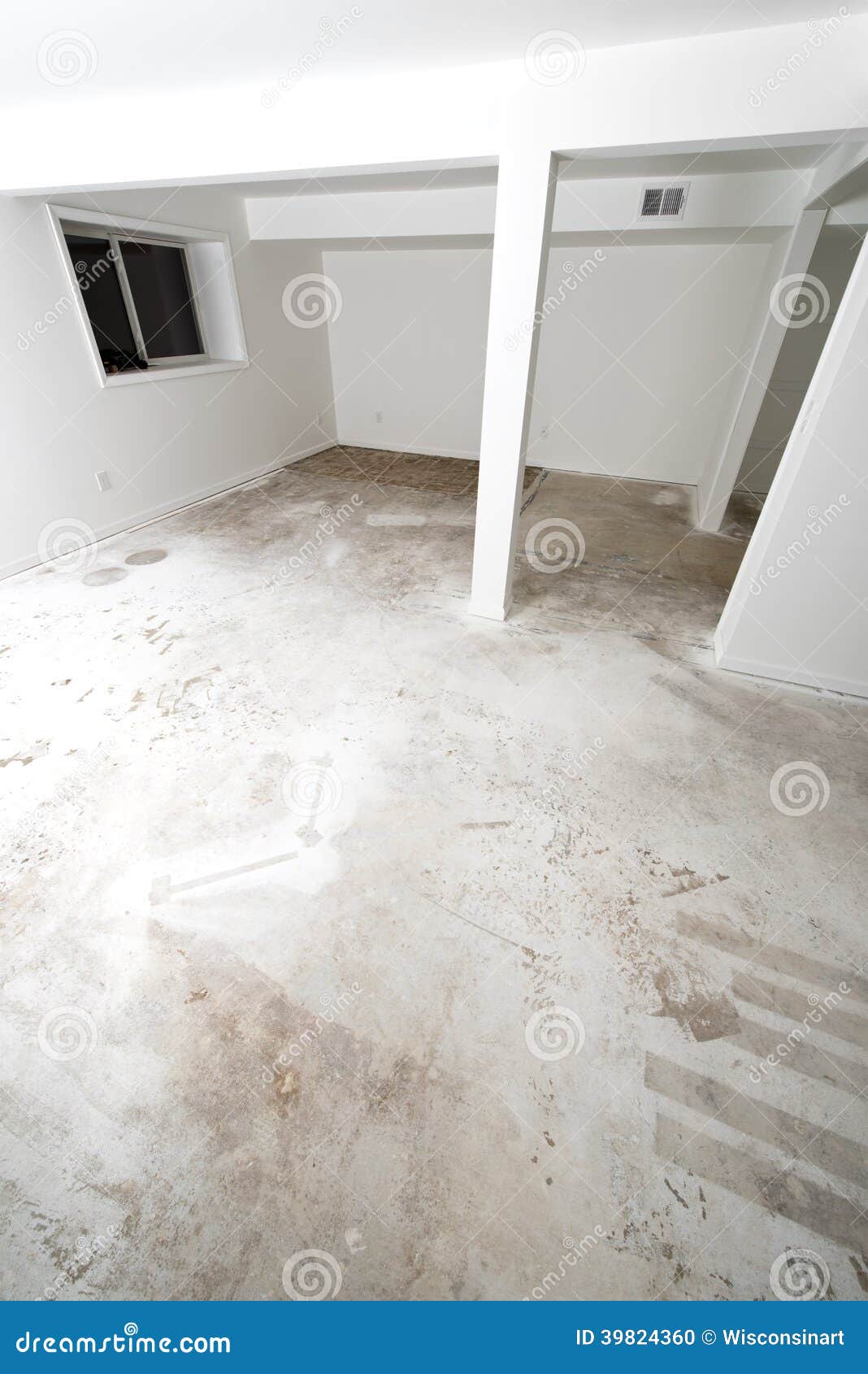
Effective flooring preparation is essential for ensuring a durable and aesthetically pleasing installation. This process begins with a detailed assessment of the subfloor, where professionals must detect issues such as moisture, unevenness, or defects that could compromise the integrity of the finished floor. Advanced moisture testing systems are utilized to gauge the moisture levels within the subfloor materials, determining whether further remediation is necessary before moving forward with the installation.
Once any moisture issues are resolved, the leveling of the subfloor is paramount. If it involves applying self-leveling materials or grinding high spots, achieving a level surface is essential for the proper installation of any flooring material. High-end contractors often leverage their expertise in subfloor preparation to tackle complex issues, ensuring that the final layer not only looks good but functions optimally over time. This intensive attention on preparation sets the groundwork for quality workmanship.
Finally, the coordination of flooring materials with HVAC systems and other mechanical trades is essential in the preparation phase. Collaboration between these elements can prevent delays and ensure that any potential problems are mitigated before they affect the project timeline. Effective preparation is where the art of skilled work merges smoothly with the science of engineering, creating a solid base for a successful flooring installation that adheres to the highest standards of quality.
Boosting Return in Business Floor Covering Initiatives
Reaching optimal worth in commercial flooring projects starts with a thoroughgoing understanding of initiative demands and the significance of product choice. Contracting Topographic Surveys Coombe must interact with stakeholders to ascertain both the aesthetic preferences but also the operational requirements of the environment. This includes considering the foot traffic, upkeep demands, and overall sustainability of the materials. By skillfully matching durability with aesthetic goals, contractors can suggest solutions that fulfill both budget constraints and top-tier standards.
Collaboration with different disciplines is vital in the floor covering installation process. Schedule and timing with HVAC and electrical groups ensure that floor prep concords with other construction activities, preventing costly delays. Regular discourse and scheduling checkpoints within the project schedule help sustain momentum and adherence to deadlines, which in the end protects the financial plan. Topographic Surveys Coombe to these details allows contractors to lessen possible problems that could cause increased expenditures.
To more augment worth, flooring contractors should leverage cutting-edge systems and leading practices. Using devices like humidity measurement tools and modern fitting techniques can yield better performance and extended service lives for the floor coverings. Additionally, using value engineering approaches can assist find budget-friendly opportunities without compromising excellence. By focusing on streamlined processes and innovative solutions, contractors not just meet the goals but also produce remarkable results that meet customer needs and foster sustained partnerships.