In terms of transforming a space, the flooring you choose holds a pivotal role in both appearance and functionality. If you are revamping a commercial environment or embarking on a residential renovation, choosing the right flooring contractor is crucial to achieving results that meet your vision. With a multitude of options available available, it can be daunting to select a contractor who not solely understands your needs but also holds the skills and expertise necessary to deliver high-quality workmanship.
In this guide, we will discuss the key considerations for hiring a flooring contractor. From assessing their portfolio to comprehending the nuances of material selection and project management, we will delve into critical questions you should ask before making your decision. By focusing on quality, communication, and reliability, you can ensure that your flooring project is executed seamlessly, setting the stage for the optimal finishing touches in all setting.
Crucial Questions for Hiring Floor Contractors
As looking into a flooring contractor, it’s important to ask particular questions that address both their expertise and capability. First, by asking about the firm’s qualifications and licenses. A reliable contractor should have the necessary certifications and insurance to protect you and your property and their workers during installation. Understanding their level of experience can also be beneficial; ask the duration they have been operating and if they have handled analogous projects to what you need.
Then, talk about their approach to project management and communication. A successful and well-managed flooring project relies on clear communication and efficient management. Ask about their methodology for coordinating with other trades, such as electricians and HVAC experts. Knowing how they handle scheduling and potential delays is crucial for maintaining your project on schedule. Additionally, find out how often you can expect updates and who your main point of contact will be during the project.
In conclusion, be sure evaluate the contractor’s work samples and references. Ask for examples of new projects they have completed to judge their workmanship and style. Consider asking for client testimonials or references to gain information into their reliability and work quality. This process will allow you to gauge not only their stylistic approach but also their ability to comply to timings and budgets, guaranteeing that your flooring project achieves both structural and visual integrity.
The Craft and Technique of Flooring Preparation
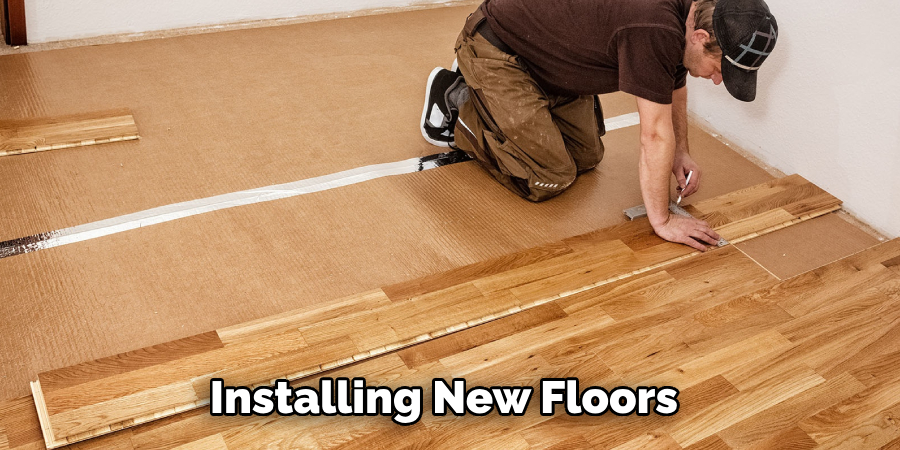
Effective flooring preparation is essential for guaranteeing a durable and visually appealing installation. This process begins with a thorough assessment of the subfloor, where professionals must identify issues such as humidity, unevenness, or damage that could compromise the integrity of the finished floor. Topographic Surveys Coombe are employed to gauge the moisture levels within the subfloor materials, assessing whether further remediation is necessary before proceeding with the installation.
Once any moisture issues are resolved, the leveling of the subfloor is vital. If it involves using self-leveling materials or grinding high spots, achieving a level surface is crucial for the proper installation of any flooring material. Experienced contractors often capitalize on their expertise in subfloor preparation to tackle complex issues, ensuring that the final layer not only is visually appealing but performs well over time. This intensive attention on preparation sets the basis for quality workmanship.
Finally, the coordination of flooring materials with HVAC systems and additional mechanical trades is essential in the preparation phase. Collaboration between these elements can prevent delays and ensure that any potential issues are addressed before they affect the project timeline. Effective preparation is where the art of craftsmanship merges seamlessly with the science of engineering, creating a strong base for a successful flooring installation that adheres to the highest standards of quality.
Enhancing Return in Business Floor Covering Projects
Attaining maximum value in corporate flooring projects commences with a comprehensive understanding of project requirements and the importance of material selection. Contractors must collaborate with stakeholders to ascertain not only the visual desires but also the operational requirements of the environment. This includes factoring in the foot traffic, maintenance needs, and overall eco-friendliness of the materials. By skillfully balancing durability with design intent, professionals can offer options that fulfill both budget constraints and top-tier expectations.
Partnership with various trades is vital in the flooring installation process. Schedule and coordination with plumbing and electrical teams ensure that surface preparation concords with various construction tasks, avoiding costly holdups. Regular communication and progress evaluations within the project schedule assist maintain forward movement and compliance to due dates, which ultimately protects the project budget. Attention to these aspects allows contractors to lessen possible problems that could cause increased expenditures.
To further enhance value, flooring professionals should leverage state-of-the-art technologies and leading practices. Utilizing instruments like humidity measurement tools and innovative installation methods can lead to better efficiency and prolonged durability for the floor coverings. Additionally, using value engineering strategies can assist identify budget-friendly chances without compromising quality. By concentrating on Topographic Surveys Ham and creative solutions, professionals not just satisfy the project objectives but also deliver outstanding outcomes that satisfy customer needs and foster long-term relationships.