

Within the constantly changing field of architectural design, the incorporation of natural light has become as a crucial component in architectural practices. Daylight analysis has become an essential tool for designers, allowing them to harness the advantages of sunlight to boost both the visual appeal and functionality of buildings. By comprehending how light interacts with various spaces, architects can design environments that support well-being, energy efficiency, and sustainability. Daylight Analysis Wells Somerset seeks to examine the subtleties of daylight analysis, providing insightful insights for modern architects seeking optimize their designs.
While exploring the details of daylight analysis, we will examine its influence on energy efficiency, occupant health, and environmental considerations. From contrasting daylight factor and spatial daylight autonomy to analyzing the role of daylight in achieving LEED certification, this comprehensive resource will equip architects with the understanding they need to effectively incorporate natural light into their projects. Whether planning for retail buildings, educational spaces, or residential homes, comprehending daylight analysis is crucial to creating spaces that are not only aesthetically pleasing but also functional and sustainable.
Comprehending Daylight Analysis
Daylight analysis is a essential procedure in contemporary architectural design that evaluates how natural light infiltrates and occurs with interior spaces. Daylight Analysis Street Somerset includes assessing sunlight availability, the quantity of daylight reaching various areas inside a building, and how this daylight affects occupant comfort and satisfaction. By comprehending the movements of the sun throughout the year, architects can design solutions that maximize natural light while minimizing the need for artificial lighting.
The analysis takes into account various metrics, such as daylight metrics, spatial daylight autonomy, and annual sunlight exposure. These metrics offer insights into how effectively a building makes use of daylight, enabling architects to make educated decisions about the positioning of windows, building orientation, and shading solutions. Proper daylight analysis not only enhances the visual attractiveness of a space but also plays a crucial role in reducing energy consumption, reducing electricity costs associated with artificial lighting and heating.
Additionally, integrating daylight analysis early in the conceptual design phase can result in superior long-term outcomes for both the building and its occupants. By analyzing natural lighting conditions, architects can address potential problems like glare, overheating, and insufficiently low light levels. This forward-thinking approach not just supports sustainable design practices but also fosters healthier environments, improving the quality of life for occupants and ultimately adding to the overall success of a project.
Technical Tools and Methods
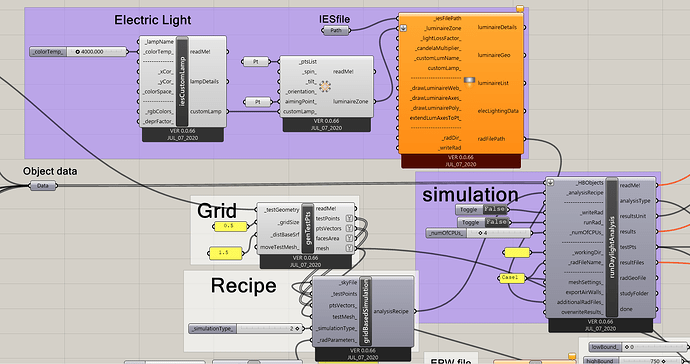
To conduct effective daylight analysis, architects and designers utilize a selection of software programs that allow them to represent and evaluate natural light in their works. Programs like Radiance, the ClimateStudio program, and the Insight tool provide advanced features for simulating daylight performance in both domestic and business buildings. These tools can model different lighting conditions, calculate daylight factors, and allow for adjustments based on multiple design variables, ensuring a comprehensive understanding of how daylight will interact in spaces over time.
Different approaches employed in daylight analysis include static and variable simulations. Fixed methods, such as daylight factor calculations, offer straightforward assessments based on predetermined parameters, giving rapid insights into daylight availability. On the other hand, dynamic simulations, particularly Weather-Based Daylight Modeling (CBDM), take into account fluctuating weather patterns and seasonal changes, providing a more comprehensive and true-to-life representation of how daylight will perform throughout the year.
In addition to software applications, architects often include physical model-making techniques. Scale models can be positioned in natural light to detect actual daylight patterns, while devices like light shelves and dynamic shading systems are designed and assessed to optimize daylight distribution. By blending digital simulations with physical testing, architects can reach accurate outcomes that improve both the visual and functional aspects of their designs, enhancing occupant comfort and power efficiency.
Practical Applications in Architecture
Natural light evaluation plays a vital role in modern architecture by impacting various phases of a development's evolution. By incorporating light assessment early in the design process, architects can successfully evaluate how natural light penetrates the environment, boosting both design and functional results. This proactive method permits architects to optimize the positioning of windows, the building's volume, and the layout of floors to maximize comfort in terms of light and efficient energy use, ultimately creating spaces that seem more appealing and well-lit.
In commercial buildings, daylight analysis significantly plays a significant role to energy efficiency by reducing reliance on man-made light. Through approaches like climate-based light modeling, architects can evaluate how natural light interacts with the design throughout the annual cycle, which permits the tactical use of natural light. This not only lowers energy consumption and costs, but also shrinks the carbon footprint of the design. Moreover, adopting glare management and adaptive shading systems further guarantees that users enjoy a pleasant and efficient space, enhancing overall well-being.
In school and healthcare facilities, the positive effects of daylight analysis are particularly pronounced. For instance, learning spaces designed with sufficient daylight encourage enhanced attention and educational results for students. Similarly, medical settings profit by natural light analysis, as exposure to natural light has been shown to aid in the healing of patients and recovery processes. By focusing on natural light in these critical contexts, architects can create environments that enhance well-being, productivity while aligning with sustainable development goals important for modern construction standards.